The Real Estate Finance Law: a new vision for housing in Kuwait
The 15-article decree-law, from the purposes of financing and eligibility to repayment, default and when it applies
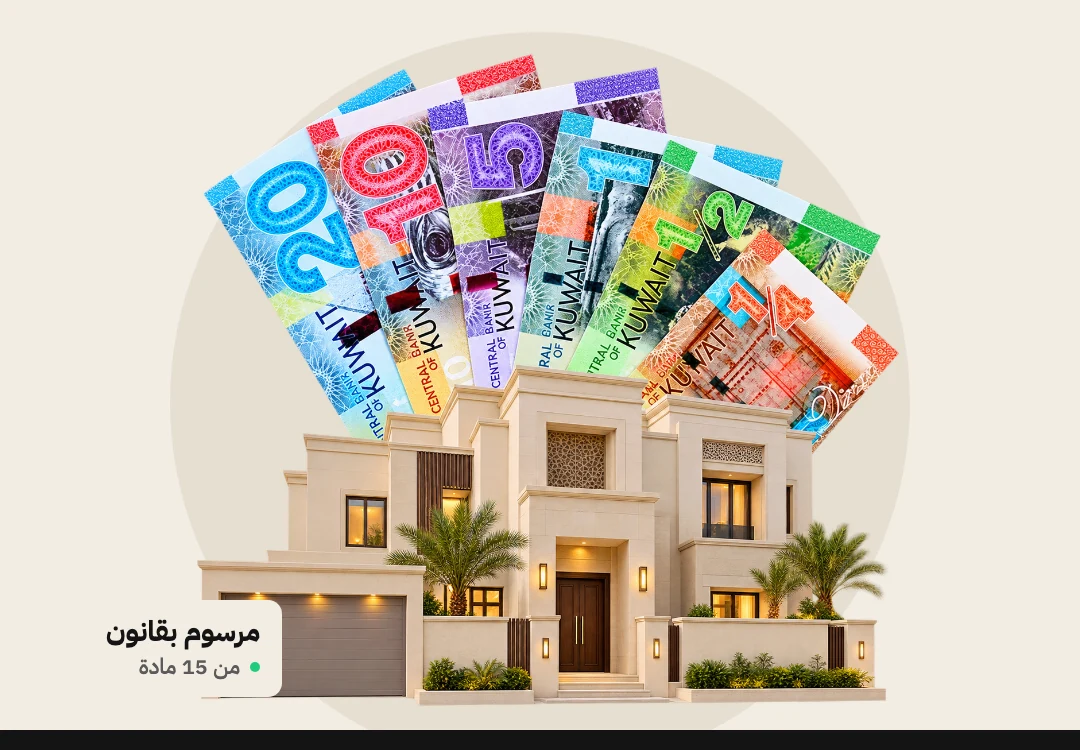
1. Purposes of the financing: Buying a housing unit from a real estate developer within projects covered by the Housing Cities and Areas Law, or building a government plot allocated by the Public Authority for Housing Welfare, under its terms and controls.
2. Eligibility: Meeting the Credit Bank's conditions for buying or building, and not having previously benefited from housing welfare in the cases defined by the law: being allocated a government plot with its title deed issued, or receiving any loan from the Credit Bank, whatever its amount or purpose.
3. What does the citizen repay?: The citizen repays the principal of subsidised financing, and the state bears its interest or returns. For unsubsidised financing, the citizen bears both the principal and its interest or returns.
4. Combining both types: A subsidised and an unsubsidised financing may be obtained together, under the Central Bank of Kuwait's controls.
5. Repayment period: Financing is repaid in equal monthly instalments over no more than 25 years when granted, counted from the start of disbursement.
6. How the financing is paid out: Financing to buy a unit from a developer follows the procedures of the Housing Cities Law, while financing to build a government plot is disbursed in stages under the Credit Bank's rules.
7. Dealing with default: The lender must notify the beneficiary of non-payment, and may reschedule the financing for no more than 5 years or take legal action. The beneficiary bears the interest or returns of the rescheduling period, even on subsidised financing.
8. Registering financings and their procedures: Lenders must register financings and submit their documents to the Credit Bank. The executive regulations set the procedures for financing, rescheduling, early repayment, grace periods, default and notices.
9. The state's role in paying interest: The Credit Bank signs contracts with lenders on behalf of the state, and the Ministry of Finance provides the interest or returns on subsidised financing from the General Reserve, for the bank to pay to the lenders.
10. Guaranteeing subsidised financing: The Credit Bank, on behalf of the state, pays the lender the remaining balance if the beneficiary defaults, in exchange for a mortgage on the property. This does not release the beneficiary from the debt.
11. Mortgaging the property: The mortgage must be made by an official contract that identifies the property precisely, or it is void. The mortgage remains registered until the debt is fully repaid.
12. Selling or transferring the property: A mortgaged property may not be sold, gifted or encumbered without prior approval from the Credit Bank and the lender. The new owner must be entitled to housing welfare, must not have received real estate financing before, and must accept the financing obligations. The regulations set the procedures for registering and managing the mortgage and disposing of the property.
13. Buying financings and turning them into investment instruments: The Credit Bank, or a body named by the minister, may buy all or part of the financings, convert them into sukuk or securities, sell them to investors and buy them back, under the regulations and the controls of the Central Bank of Kuwait and the Capital Markets Authority.
14. Setting financing rules and interest: The Central Bank of Kuwait issues the rules for granting financing and sets the interest or return rate on unsubsidised financing.
15. When it applies: The executive regulations are issued within 6 months of the law's publication in the Official Gazette, and its provisions apply to beneficiaries from the date the regulations are published.